
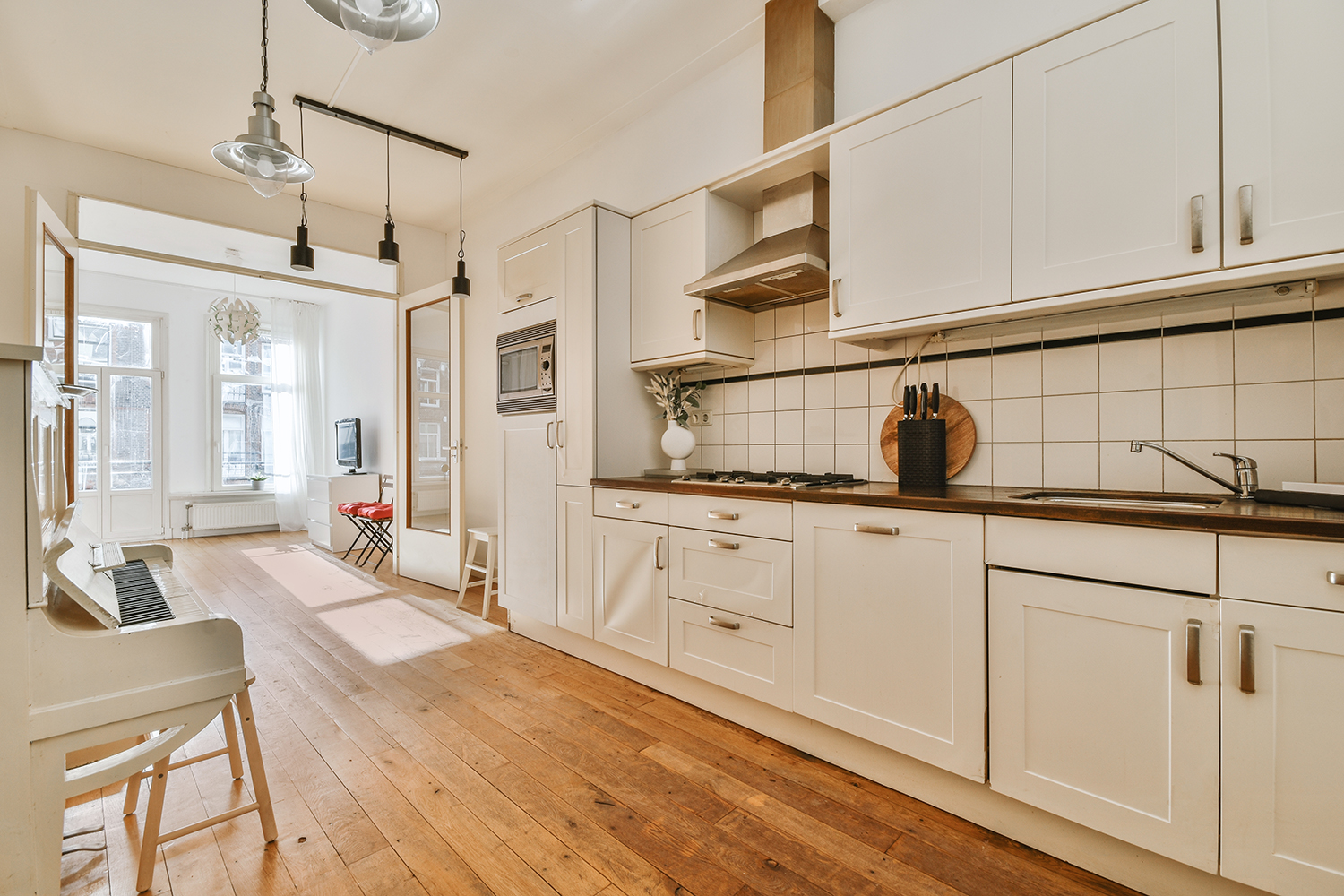
A kitchen can feel completely different without changing its layout, benchtops or appliances. Cabinet Painting is a practical way to refresh tired cupboards, update an outdated color scheme and create a cleaner, more cohesive space. For homeowners in Dandenong, repainting existing cabinetry can deliver a noticeable visual change without the disruption and expense of a full kitchen replacement.
When cabinet doors are structurally sound but look worn, stained or dated, a carefully planned repaint can give them a new lease on life. The result depends on more than color. Cabinet Painting also involves careful surface preparation, suitable product selection, proper application techniques and adequate curing time, all of which can affect the final finish. Understanding these factors makes it easier to decide whether a kitchen cabinet makeover is right for your home.
Why Is Cabinet Painting a Smart Kitchen Upgrade?
Cabinet Painting can change the character of a kitchen because cupboards occupy a large portion of the visible wall space. A dated timber tone or marked laminate can make the whole room feel older, even when the rest of the kitchen is in good condition. A fresh, consistent finish can make the same cabinetry appear brighter, more modern and better coordinated.
It can also be a practical alternative to replacement. If cabinet boxes, doors and hardware are still serviceable, repainting may allow you to keep what already works. Instead of removing an entire kitchen, you can focus on the surfaces with the greatest visual impact.
How Does Cabinet Painting Transform the Kitchen?
The transformation usually comes from several small visual improvements working together. Fresh color can make a compact kitchen feel more open, while a carefully selected darker shade can add contrast and character. A consistent finish can also make mismatched or faded doors look more unified.
Repainting is particularly effective when paired with simple changes such as new handles, updated accessories or improved lighting. The key is creating a balanced palette in which the cabinetry works with the benchtop, flooring, walls and appliances.
|
Kitchen element |
Possible approach | Visual effect | Practical consideration |
| Cabinet color | White, warm neutral or light grey | Brighter, more spacious feel |
Can show dirt more readily |
|
Cabinet color |
Deep green, navy or charcoal | Adds depth and contrast | Needs balanced lighting |
| Finish | Low-sheen or satin | Modern, understated appearance |
Suits many interiors |
|
Finish |
Higher sheen | Reflective and crisp | Preparation becomes critical |
| Handles | Brushed metal, black or matching tones | Adds a coordinated detail |
Check hole spacing |
|
Existing doors |
Repaint rather than replace | Retains current layout |
Surface must be suitable |
Choosing Cabinet Paint Colors That Suit Your Home
Cabinet paint colors should be selected in relation to the whole kitchen rather than viewed alone. Consider natural light, artificial lighting, wall color, benchtops, flooring and nearby living areas. A shade that looks warm in a showroom can appear different under your home’s lighting.
White and warm off-white shades remain versatile because they support many styles. Soft greys create a restrained contemporary look, while muted greens and blues can introduce personality without becoming overwhelming. Dark colors can work well as a feature in kitchens with strong natural or layered lighting.
Testing sample colors on representative surfaces is a useful step before committing to a final shade. This allows you to see how the color interacts with existing finishes rather than relying solely on a showroom sample.
What Preparation Does Cabinet Painting Require?
Preparation is often the difference between a finish that looks professionally completed and one that develops problems soon after application. Grease, cooking residue, dust, old coatings and surface imperfections need to be addressed before new paint is applied.
Depending on the cabinet material and existing coating, preparation may include cleaning, declassing or sanding, repairing minor defects, removing hardware and applying a suitable primer. Doors and drawers should be labelled and organized so they return to the correct positions.
Painting techniques also need to suit the substrate. Timber, previously painted surfaces, laminate and manufactured materials do not necessarily respond to coatings in the same way. Using the right preparation and compatible products helps the new coating adhere properly.
For older homes, extra care may be necessary. WorkSafe Victoria explains that lead-based paint was used on many buildings before 1970 and that sanding or other processes that create lead dust can create exposure risks. Homeowners should raise concerns about older coatings with their contractor before preparation begins.
What Is the Best Paint for Cabinets?
The best paint for cabinets is not simply the hardest or glossiest product available. The right coating depends on the cabinet material, existing surface, expected wear, desired appearance and application method.
Kitchen cupboards experience frequent contact, cleaning, moisture and occasional impacts. A coating therefore needs suitable adhesion and durability for the application. Primer selection is equally important when moving from a difficult existing surface to a new color.
Professional cabinet painting should also account for drying and curing. A surface can feel dry while the coating is still developing its final hardness. Doors, drawers and hardware should be handled carefully during this period to reduce the chance of marks or damage.
Choosing Cabinet Painting Services in Dandenong
When comparing Cabinet painting services in Dandenong, look beyond the color chart and quoted price. Ask how surfaces will be prepared, what coating system is proposed, how doors will be handled and what curing period is recommended.
When hiring a contractor, homeowners should review the Home Renovation Checklist from Consumer Affairs Victoria, which highlights the importance of detailed quotes, checking trade credentials and clearly documenting the project scope and costs. A written agreement can also help both parties understand the work before it begins.
Kitchen Cabinet Painting vs Cabinet Replacement
Replacing cabinetry can make sense when doors are damaged beyond practical repair, the layout no longer suits the household or storage requirements have changed. However, replacement is not automatically the better option.
Cabinet repainting can be more appropriate when the existing layout works and the cabinet structure remains sound. It focuses the renovation budget on appearance rather than replacing components that are still functional.
Consider these questions before choosing:
- Are the cabinet boxes and doors structurally sound?
- Does the existing kitchen layout still work for everyday use?
- Is the main problem color, surface wear or outdated styling?
- Would new handles and a fresh finish achieve the change you want?
- Are the existing surfaces suitable for repainting?
When these answers point towards retaining existing cabinetry, Cabinet Painting can provide a practical middle ground between leaving the kitchen unchanged and undertaking a full renovation.
Benefits of Professional Cabinet Painting Services
DIY projects can look straightforward until the number of doors, edges, profiles and preparation stages becomes apparent. Professional cabinet painting brings a process designed around consistency, surface preparation and controlled application.
The goal is not simply to make cupboards look freshly painted on day one. A successful Kitchen cabinet painting project should be planned around how surfaces will be used and maintained over time.
For homeowners looking for a specialist option, Prime Vision Painting Solutions provides interior and cabinet painting across Dandenong and South-East Melbourne, including cabinet repaints.
How Can Cabinet Painting Improve Kitchen Style?
One of the strongest advantages of repainting is design flexibility. You can move away from an outdated color without changing the physical layout. This makes it easier to align the kitchen with current interior trends while retaining familiar storage and work areas.
A monochromatic scheme can make a kitchen feel calm and seamless. Contrasting upper and lower cabinets can add visual interest. Alternatively, a single neutral shade can create a timeless foundation that allows decorative details to change later.
Kitchen cabinet refinishing can also help unify areas where different cabinet sections have developed slightly different tones through age and use. A carefully matched finish brings those surfaces back into a more consistent visual relationship.
Maintenance After Cabinet Repainting
Once the work is complete, everyday care can help preserve the finish. Use gentle cleaning methods appropriate for the coating and avoid harsh products unless the paint manufacturer specifically recommends them. Wipe spills rather than allowing moisture or food residue to remain on the surface.
Cabinet repainting does not make cupboards immune to wear. Hinges, handles and frequently touched edges may experience more contact than other areas. Promptly addressing chips or damage can help prevent small defects from becoming larger maintenance issues.
Conclusion:
A kitchen does not always need new cabinetry to feel new. Repainting can refresh color, improve visual consistency and modernize a tired space while allowing you to keep a layout that already works. With suitable preparation, compatible coatings and careful application, existing cupboards can become a strong feature again.
If your Dandenong kitchen needs an update, consider whether the cabinet structure is still in good condition before planning a complete replacement. For professional advice, preparation and a clean finish, contact Prime Vision Painting Solutions today to discuss your project and request a quote.
Frequently Asked Questions
1. How long does Cabinet Painting take?
The timeframe depends on the number of doors, cabinet condition, preparation requirements, coating system and curing time. A professional can assess the kitchen and provide a more accurate schedule.
2. Can all kitchen cabinets be painted?
Many cabinet surfaces can be coated, but suitability depends on the material and existing finish. An assessment is recommended before work begins.
3. Is Kitchen cabinet painting cheaper than replacing cabinets?
It can be, particularly when existing cabinetry is structurally sound and the layout does not need to change. Costs vary according to preparation, materials and kitchen size.
4. What colors work best for cabinet painting in Dandenong homes?
There is no single best color. Warm whites, neutrals, greys and muted colors can all work well, depending on lighting and surrounding finishes. Samples should be viewed in the actual kitchen.
5. How do I keep painted cabinets looking good?
Use gentle cleaning methods, wipe spills promptly and avoid abrasive products unless the coating manufacturer approves them. Handle doors and hardware carefully to minimize unnecessary wear.