
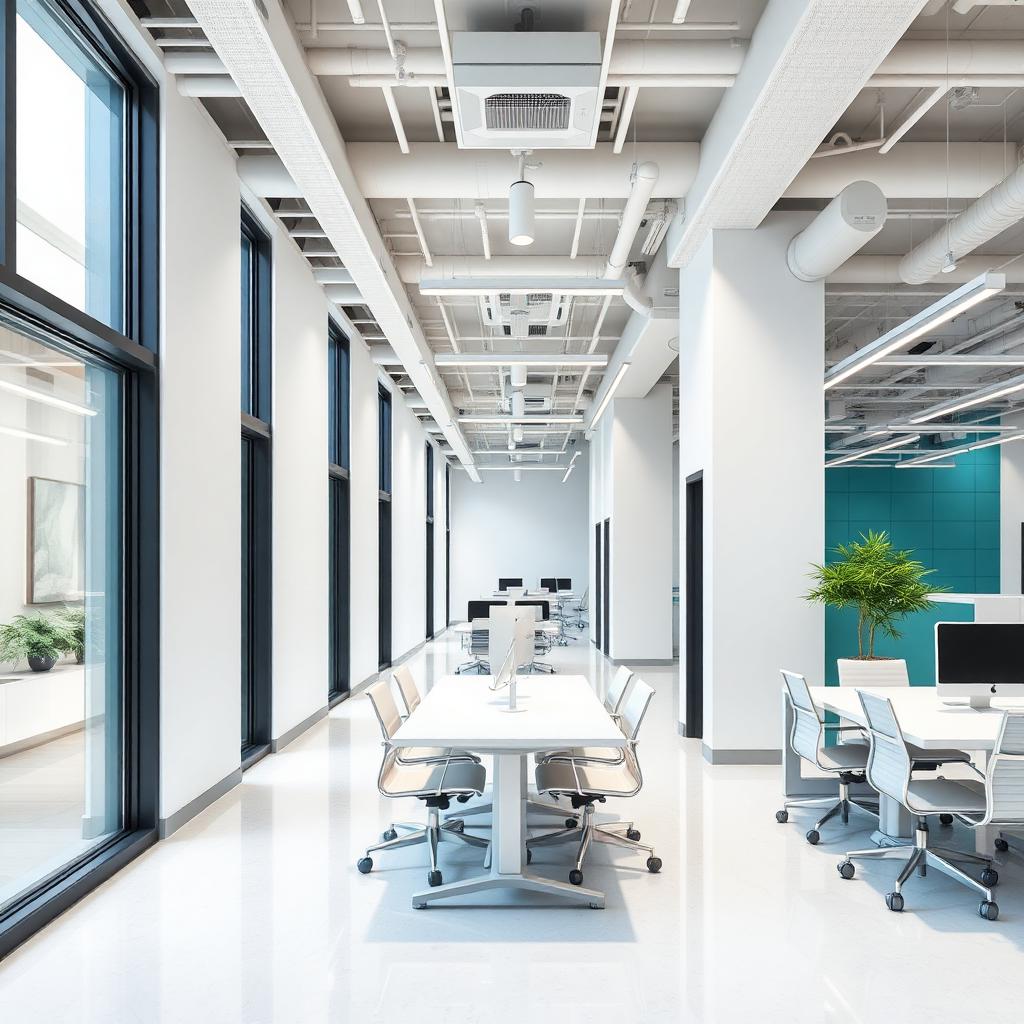
Choosing Commercial Painting for a business is about much more than selecting a colour and booking a crew. The right approach considers preparation, surface condition, coatings, safety, timing and the needs of people using the property.
For businesses in Dandenong, Commercial Painting can involve offices, retail premises, warehouses, workshops, strata properties and other commercial buildings. Each site has different practical requirements, so comparing contractors carefully can help prevent avoidable delays and poor finishes.
Why Does Commercial Painting Matter for a Business?
A commercial property is part of how customers, employees, tenants and visitors experience a business. Peeling walls, faded exterior surfaces or inconsistent colours can make an otherwise well-maintained building look neglected.
Good Commercial Painting can improve the appearance of a property while helping suitable surfaces receive an appropriate protective coating. The objective is not simply to make walls look fresh; it is to choose a painting system that suits the surface, environment and expected level of use.
This is particularly important in busy commercial locations. High-traffic corridors may experience frequent scuffing, while exterior walls face changing weather conditions. Warehouses may need different coatings from offices because of their use, surface type and exposure.
What Should You Check Before Choosing Commercial Painting Services?
The first step is to understand what the project actually involves. A contractor should be able to inspect the property and discuss the existing surfaces rather than preparing a price based only on floor area.
Ask whether the assessment covers walls, ceilings, doors, trims, facades and other relevant surfaces. Existing coatings, cracks, peeling paint, stains, moisture problems and damaged substrates can all affect preparation and the final result.
It is also worth asking how the proposed commercial painting services will fit around normal business operations. A shop, office or warehouse may not be able to stop operating for several days, so access arrangements and work sequencing matter.
How Can You Compare Commercial Painters?
Not all commercial painters approach a project in exactly the same way. When comparing options, look beyond the quoted price.
Experience with similar properties is useful because commercial work often involves larger surfaces, tighter schedules and coordination with occupants or other trades. A contractor who regularly handles offices may approach an operational warehouse differently from a residential repaint.
You can also ask about preparation methods, the proposed coating system, estimated duration and how the site will be protected. Clear answers indicate that the contractor has considered the practical details rather than simply estimating litres of paint.
What Should a Commercial Painting Quote Include?
A detailed quote makes comparisons much easier. The cheapest figure may not represent the lowest overall cost if important preparation or finishing work has been excluded.
For a useful comparison, look at the scope rather than the headline price.
|
Project factor |
What to compare |
Why it matters |
|
Surface preparation |
Cleaning, sanding, filling, scraping and repairs | Preparation strongly influences adhesion and appearance |
| Paint system | Product type, finish and number of coats |
Different surfaces and environments need different solutions |
|
Internal areas |
Walls, ceilings, doors, trims and feature areas | Prevents uncertainty about what is included |
| External areas | Facades, rendered surfaces, metalwork and other exposed areas |
Exterior surfaces face weather and environmental exposure |
|
Access |
Ladders, platforms, elevated work and restricted areas | Access can affect safety, timing and project cost |
| Protection | Floors, fixtures, equipment and surrounding areas |
Helps minimise accidental paint damage |
|
Scheduling |
Start date, daily working hours and estimated completion | Reduces disruption to business operations |
| Clean-up | Removal of materials and final site cleaning |
Clarifies how the property will be handed back |
|
Variations |
Process for unexpected repairs or additional work | Helps prevent disagreements about extra costs |
| Warranty | What is covered and for how long |
Provides greater clarity about workmanship expectations |
A written scope is especially valuable for commercial painting contractors working on larger properties because several parties may be involved in approving the project.
Why Is Surface Preparation Important?
Preparation is one of the least visible but most important parts of Commercial Painting. New paint cannot compensate for a dirty, unstable or poorly prepared surface.
Depending on the property, preparation may include removing loose coatings, cleaning dirt, sanding glossy areas, filling minor imperfections and addressing suitable surface defects before painting begins.
Moisture deserves particular attention. If water is entering a wall or ceiling, painting over the symptom without addressing the underlying issue may lead to premature coating failure.
A sensible contractor should identify obvious surface concerns and explain which issues are included in the proposed work and which require another trade.
How Do You Select Paint for Commercial Properties?
The correct coating depends on where it will be used. Interior office walls, high-traffic corridors, warehouse surfaces and external facades do not necessarily require the same product.
For interior commercial wall painting, factors such as cleanability, traffic levels, desired sheen and the condition of the existing surface may influence the choice.
Exterior commercial painting requires additional consideration because coatings are exposed to sunlight, rain, temperature changes and general weathering. A suitable system should be selected for the substrate and environmental conditions rather than simply choosing a colour.
Colour selection also deserves practical thought. Very bright or dark colours can create different maintenance and appearance considerations, while neutral tones may provide greater flexibility for future changes.
What Should You Know About Safety and Waste?
A commercial project should include sensible controls for people working at the property and those who continue using it.
Work areas may need separation, warning signs, ventilation and careful storage of materials. Businesses can also refer to EPA painting guidance when considering environmental risks, waste handling and site management.
Environmental management is another consideration. EPA Victoria identifies paints, solvents and wash-down water among pollutants that can enter stormwater systems and advises businesses to prevent these materials from entering drains.
For this reason, businesses comparing Commercial Painting providers can ask how paint residues, containers, solvents and other waste will be managed. EPA Victoria also provides construction guidance covering painting and plastering waste, including keeping unused paint sealed and ensuring unwanted paint is taken to a lawful disposal site.
A useful reference for project planning is the EPA painting guidance, particularly where the work involves significant preparation, waste or external areas.
How Can You Reduce Disruption During Commercial Painting?
Business disruption is often one of the biggest practical concerns. A good project plan should consider when customers, staff, tenants, vehicles and deliveries need access to the property.
There are several ways to make the process more manageable:
- Divide the property into workable zones so unaffected areas can remain operational.
- Schedule noisier or more disruptive preparation during quieter periods where practical.
- Protect furniture, stock, machinery, flooring and equipment before work begins.
- Establish clear access routes and keep emergency pathways unobstructed.
- Confirm drying and curing requirements before returning areas to normal use.
- Agree on daily clean-up expectations so the workplace remains orderly.
These details should be discussed before the first coat is applied. For a busy business, project coordination can be just as important as the finished appearance.
Should You Consider Commercial Building Painting as a Long-Term Investment?
Yes, provided the project is approached as property maintenance rather than simply cosmetic work. Commercial building painting can refresh tired surfaces and help maintain the presentation of a property.
However, paint should not be viewed as a solution for every building defect. Significant cracking, leaks, corrosion, structural movement or persistent dampness may require investigation before painting.
The useful question is therefore not only “How much will painting cost?” but also “What preparation and coating system will provide an appropriate result for this property?”
This approach can make a quote easier to evaluate and may reduce the risk of having to repaint prematurely.
When Should a Business Schedule Commercial Property Painting?
Timing depends on the property’s condition, business activity and project size. Waiting until surfaces have deteriorated significantly can make preparation more complicated.
For commercial property painting, businesses may find it useful to assess visible wear during routine property maintenance. Faded coatings, peeling paint, damaged surfaces and heavily marked areas can indicate that a repaint should be considered.
Seasonal conditions can also affect external work. Melbourne weather can change quickly, so the project schedule should account for suitable conditions and the manufacturer’s requirements for the selected coating.
Businesses should also consider upcoming events, busy trading periods, tenancy changes and planned maintenance. Coordinating painting with other building work may sometimes reduce duplicated access and disruption.
How Do You Choose the Right Commercial Painting Services in Dandenong?
For a Dandenong business, the best choice is not necessarily the contractor offering the lowest initial price. Look for a provider that understands commercial environments and can clearly explain preparation, materials, scheduling, protection and clean-up.
Local knowledge can also be useful when planning access and working around established commercial areas. PrimeVision’s current service coverage includes Dandenong and several surrounding South-East Melbourne suburbs, with its commercial offering covering offices, retail, warehouses and strata properties.
You can explore the available commercial painting services to understand the type of work being considered, then request a project-specific assessment rather than relying on a generic price.
Final Thoughts
Choosing Commercial Painting services should involve more than comparing a few prices. A well-planned project considers the building’s surfaces, required preparation, coating selection, safety, waste management, access and the effect of the work on normal business operations.
For businesses in Dandenong, a detailed scope and transparent communication can make it easier to compare commercial painters and decide which approach best fits the property. Get a Free Quote to discuss your property’s requirements and understand what preparation, materials and scheduling may be needed.
If you are planning a repaint, start by assessing the condition of the surfaces and identifying areas that need attention. Then discuss the project requirements with an experienced painting contractor and request a clear, itemised proposal.
Frequently Asked Questions
1. How often should a commercial property be repainted?
There is no single schedule that suits every property. Repainting depends on surface condition, exposure, traffic, coating quality and how the building is used. Regular inspections can help identify fading, peeling or worn areas before deterioration becomes extensive.
2. How long does Commercial Painting take?
The timeframe depends on the property’s size, preparation requirements, number of surfaces, access conditions and coating system. A small office may require considerably less time than a warehouse or multi-area commercial building.
3. Can businesses stay open during Commercial Painting?
In many cases, work can be staged so parts of a business remain operational. The practical approach depends on ventilation, access, drying requirements, noise, odours and the type of work being performed.
4. What is included in professional Commercial Painting?
The scope can include surface preparation, protection of surrounding areas, priming where required, application of coatings, finishing and clean-up. However, inclusions vary between contractors, so the written scope should always be checked before work begins.
5. How should businesses compare Commercial Painting quotes?
Compare the scope, preparation, products, number of coats, access arrangements, project duration, protection measures, clean-up and variation process rather than looking only at the final price. A detailed quote makes it easier to identify differences between proposals.