
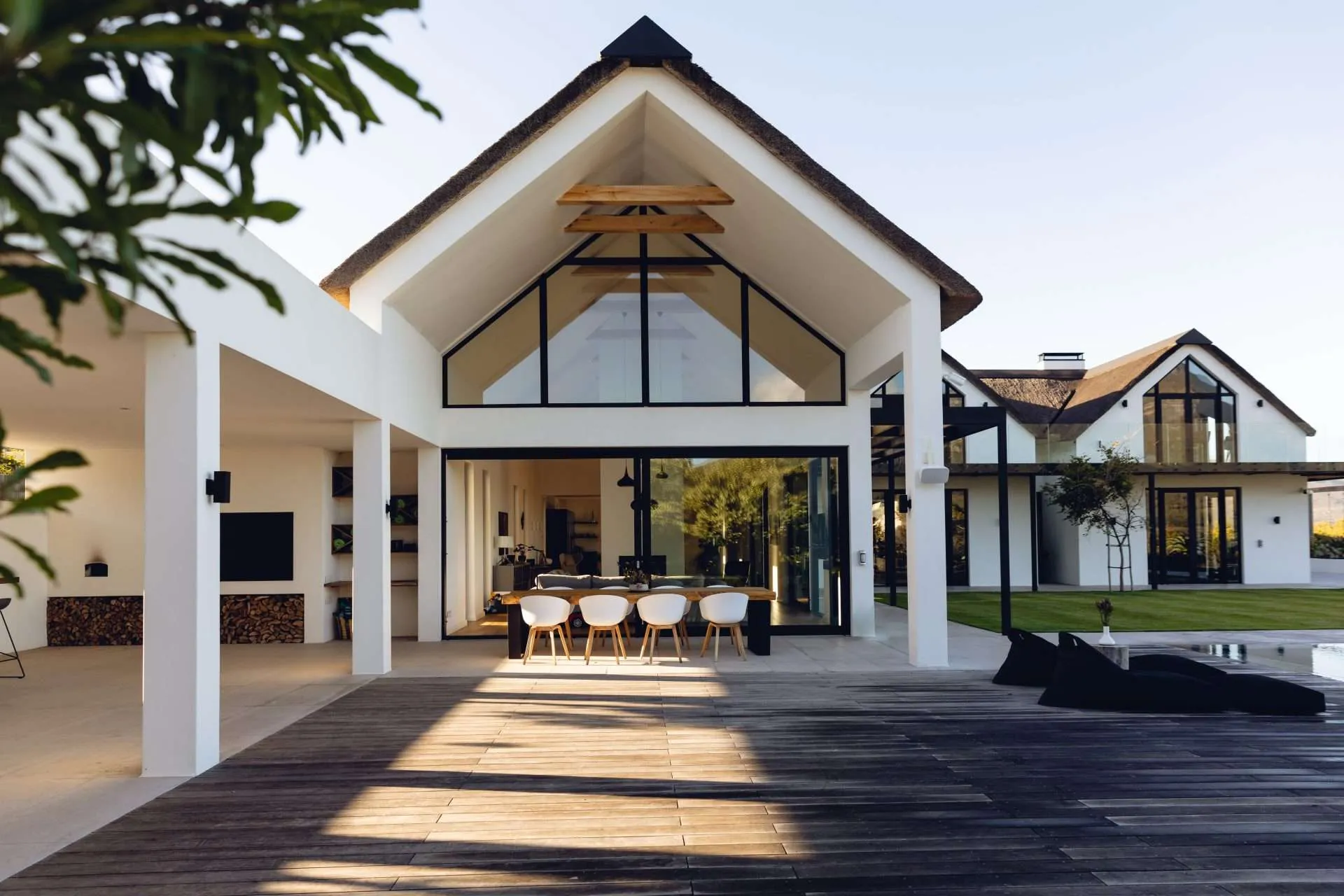
A well-maintained exterior does more than refresh the appearance of a house. In Dandenong, painted surfaces face changing temperatures, rain, wind, sunlight and everyday exposure, so the right approach matters.
Exterior Painting should therefore be treated as a combination of surface protection, preparation, color planning and careful application. A good result begins before the first coat reaches the wall.
Why Exterior Painting Requires Careful Planning
Exterior Painting is exposed to conditions that indoor surfaces rarely experience. Weatherboards, rendered walls, masonry, trims and eaves can expand, contract, absorb moisture and collect dirt.
Before choosing a color, inspect the substrate. Peeling, cracking, chalking, mold, rust and failed sealants can all signal that preparation is needed.
For Dandenong homes, consider the property’s age and construction materials because timber, render, fiber cement and existing coatings can require different preparation methods.
1. Start With a Thorough Exterior Paint Inspection
Exterior Painting should never begin with color selection alone. Walk around the property and look closely at walls, window surrounds, fascia boards, eaves, doors and other painted areas.
Look for:
- Peeling or bubbling paint
- Cracks and gaps around joins
- Mold, mildew or surface dirt
- Chalky or powdery coatings
- Timber movement, rot or exposed areas
- Rust on metal components
- Failed caulking around openings
A visual inspection helps determine whether the surface needs cleaning, scraping, sanding, repairs, sealing or priming. Ignoring these issues can leave defects visible through the new finish.
2. Make Surface Preparation a Priority
Exterior Painting is only as reliable as the surface beneath it. Paint applied over dirt, loose coating or damp material may lose adhesion and fail prematurely.
Exterior paint preparation can include washing, removing loose paint, smoothing rough areas, filling cracks and repairing damaged substrates. The process depends on the substrate and existing coating.
Avoid aggressive pressure washing on older timber, damaged render or fragile coatings. The aim is a clean, stable surface without causing new damage.
Where old paint is being disturbed, safety also matters. Victorian authorities warn that older homes may contain lead-based paint, particularly buildings constructed before 1970. WorkSafe Victoria recommends identifying potential lead paint before sanding or removing older coatings.
3. Choose Paint for Exterior Painting According to the Surface
Exterior Painting works best when the coating system suits the substrate and exposure conditions. A product suitable for timber weatherboards may not be the best choice for masonry, metal or previously painted render.
Consider whether the surface needs:
|
Surface or condition |
What to consider | Why it matters |
| Timber weatherboards | Flexible exterior coating and suitable primer |
Timber moves with moisture and temperature |
|
Render or masonry |
Compatible masonry/exterior coating | Helps manage adhesion and surface porosity |
| Metal trims | Rust treatment and suitable primer |
Helps protect against corrosion |
| Previously painted walls | Compatibility and adhesion testing |
Reduces peeling or lifting |
|
Damp-prone areas |
Moisture assessment before coating | Trapped moisture can contribute to coating failure |
| High-sun areas | UV-resistant exterior system |
Helps reduce fading and surface deterioration |
Weather-resistant exterior paint is useful, but the label alone does not guarantee a long-lasting finish. The complete system—surface condition, preparation, primer, number of coats and application—matters.
4. Think Carefully About Exterior Paint Colors
Exterior Painting is also an opportunity to improve the visual balance of a property. Consider the roof, brickwork, landscaping, fencing, windows and surrounding streetscape.
Light, mid-tone and dark colors create different effects. Test sample areas where possible and observe them in morning, midday and afternoon light.
For heritage properties or homes affected by planning controls, check whether additional requirements apply before changing the exterior color scheme.
5. Match the Finish to the Area
Not every exterior surface needs the same level of sheen. A finish should balance appearance, cleanability and its ability to hide minor imperfections.
Exterior wall painting involves large, visible areas, so defects can become more noticeable under certain finishes. Low- or medium-sheen products may suit many walls, while trim and doors can use a different finish for definition.
6. Pay Attention to Weather and Drying Conditions
Exterior Painting should be scheduled around suitable weather. Rain, excessive humidity, strong wind and very hot conditions can affect preparation, application and drying.
A wall can look dry while still holding moisture beneath the surface. Painting too soon after rain or cleaning may trap moisture under the coating.
Check product instructions for temperature, humidity and recoat conditions. If weather changes unexpectedly, pausing is often better than rushing a coat that may not cure correctly.
7. Protect Windows, Plants and Surrounding Areas
Good Exterior Painting includes careful preparation of the work area. Windows, paths, outdoor fixtures, plants and garden beds should be protected from splashes, dust and debris.
Masking and drop sheets reduce cleanup and help prevent accidental coating on areas that are not intended to be painted.
If sanding or scraping is required, collect and dispose of debris responsibly, especially where older coatings may contain lead.
8. Do Not Ignore Repairs Before Painting
Exterior Painting cannot compensate for structural or surface problems. Cracked render, deteriorated timber, leaking gutters, failed flashing or persistent dampness should be investigated first.
Painting over a recurring moisture problem may hide staining temporarily without fixing the cause. Rotten timber should also be repaired rather than simply coated.
A simple rule is useful: repair the substrate first, then prepare it, then coat it.
9. Consider Safety When Working at Height
Residential exterior painting can involve ladders, elevated surfaces and awkward working positions. Victorian guidance highlights fall risks and recommends suitable controls for work at height.
Avoid unstable ladders or makeshift platforms. High walls, steep areas and difficult access may require appropriate equipment and experienced workers.
Safety also applies to paint, solvents, dust and old coatings. WorkSafe Victoria advises precautions when dealing with hazardous substances and lead-containing paint.
For homeowners researching safe preparation methods, WorkSafe Victoria guidance is a useful reference when older coatings need to be disturbed.
10. Build a Maintenance Plan After Painting
Exterior Painting should not be viewed as a one-off task. Regular inspection can identify small defects before they become larger repairs.
Check for fading, cracking, peeling, mold, rust and failed sealants, especially around joints and exposed sections.
Cleaning should also be gentle because harsh methods can damage coatings or substrates. Timely maintenance helps preserve exterior house painting for longer.
A Practical Planning Guide for Dandenong Homes
The most useful approach is to break the project into stages:
- Inspect the exterior and identify damaged or deteriorated areas.
- Identify the substrate and existing coating before selecting products.
- Address moisture, timber, rust, cracks and other repairs.
- Clean and prepare the surface thoroughly.
- Test colors in representative areas and observe them in changing light.
- Select compatible primer and exterior coating systems.
- Check weather conditions and product drying requirements.
- Protect surrounding surfaces and maintain safe access.
- Apply coats according to the product instructions rather than rushing the process.
- Inspect the finished work and create a simple maintenance schedule.
How Can Professional Exterior Painting Improve the Result?
Exterior Painting can look straightforward from the ground, but the quality of the finished surface often depends on decisions that are easy to overlook. Correct preparation, product compatibility, safe access and suitable weather conditions all influence the outcome.
For homeowners comparing exterior painting approaches, it is useful to look beyond color and price. Ask what preparation is included, how damaged surfaces will be handled, what coating system is proposed and how the work will be scheduled around weather.
Victoria’s Building and Plumbing Commission notes that domestic painting and decorating work includes preparing surfaces and applying appropriate paint or coatings. Its guidance reinforces the importance of competent preparation and application.
Final Thoughts
Exterior Painting can protect outdoor surfaces while giving a home a cleaner, more considered appearance. The strongest results come from treating the project as a complete process rather than simply adding a fresh colour.
For Dandenong homeowners, start with the condition of the surface, consider the local weather exposure, choose compatible products and allow enough time for preparation and drying. If the work involves extensive repairs, difficult access or potentially lead-based coatings, professional advice can be worthwhile.
For practical project planning, contact us today and discuss the condition of your home’s exterior before work begins.
Frequently Asked Questions
1. How often should a Dandenong home be repainted?
There is no single timetable because exposure, substrate, coating quality and maintenance all affect service life. Inspect the exterior regularly and repaint when early signs of coating failure appear.
2. What is the most important part of Exterior Painting?
Preparation is one of the most important stages. Cleaning, repairs, removal of loose coatings, priming and allowing surfaces to dry can have a major effect on adhesion and durability.
3. What exterior paint is best for Melbourne weather?
Choose a coating designed for the specific exterior substrate and expected exposure. Follow the manufacturer’s recommendations for primer, preparation, application conditions and recoat times.
4. Can old exterior paint contain lead?
Yes. Older Australian homes, particularly those built before 1970, may contain lead-based paint. If old coatings need sanding or removal, they should be assessed and handled with appropriate precautions.
5. Should I paint over cracked or peeling areas?
Not without preparation. Loose paint should be removed and underlying cracks or substrate problems should be assessed and repaired before a new coating is applied.