
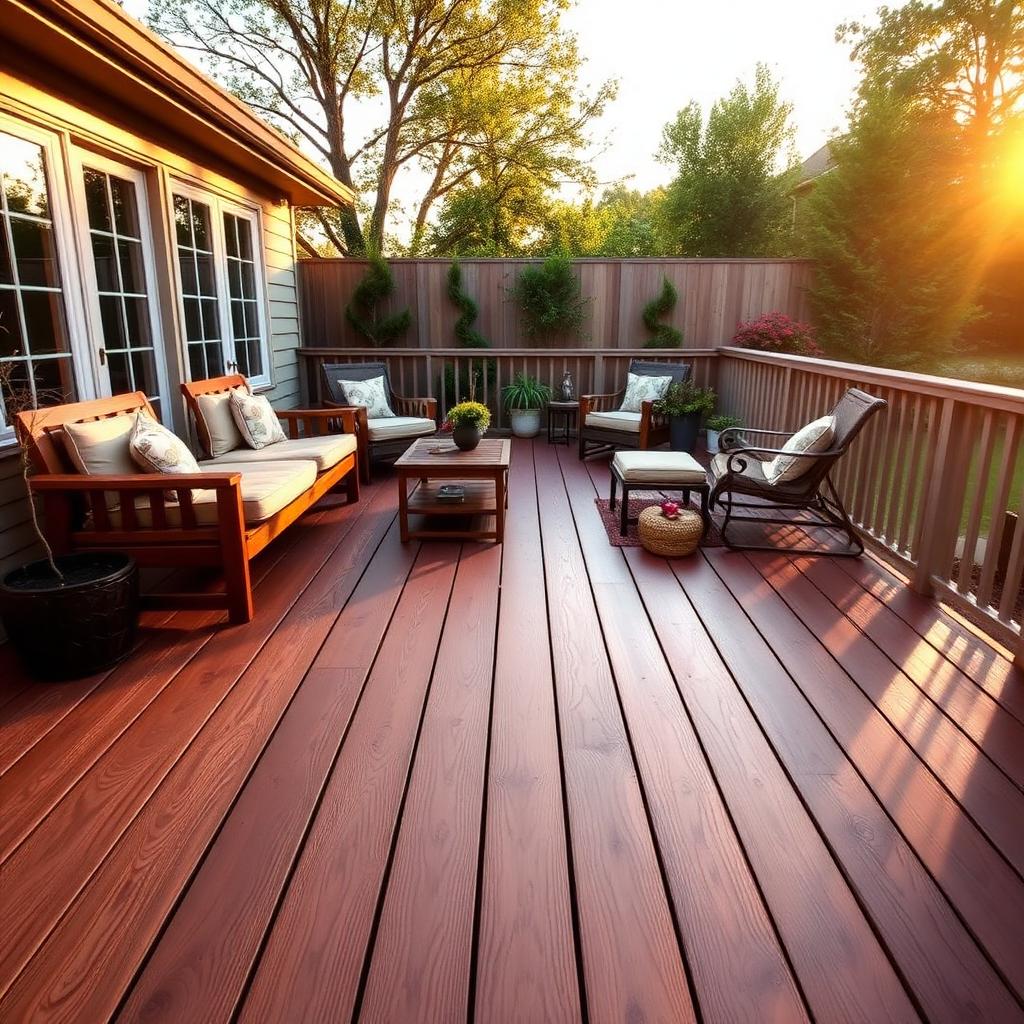
Outdoor timber adds warmth and character to a home, but it is constantly exposed to sun, rain, moisture and everyday use. Without regular care, boards can fade, dry out, crack or develop surface deterioration.
Deck Painting is one way Dandenong homeowners can protect exposed timber while improving the appearance of an outdoor living area. The right coating, preparation and maintenance routine can make a noticeable difference to how a timber deck performs over time.
Why Is Deck Painting Important for Outdoor Timber?
Timber is a natural material, so it responds to changing weather conditions. Repeated wetting and drying can affect its surface, while ultraviolet exposure gradually changes its colour and can contribute to surface weathering.
A properly planned Deck Painting process creates a protective finish between the timber and everyday exposure. It does not make timber maintenance-free, but it can help slow surface deterioration when the appropriate product is applied to correctly prepared wood.
For homeowners in Dandenong, this matters because outdoor decks are exposed to Melbourne’s changing conditions throughout the year. Rain, temperature changes, periods of strong sunlight and regular foot traffic can all contribute to wear.
How Does Deck Painting Help Protect Timber?
The main purpose of Deck Painting should not simply be to change the colour of a deck. A suitable exterior coating can provide an additional protective layer over prepared timber and help reduce direct exposure to moisture and sunlight.
The level of protection depends on the condition of the timber, the coating selected, surface preparation and application method. Painting over dirty, damp or deteriorated boards can lead to premature peeling and uneven results.
Good preparation therefore matters just as much as the coating itself. Before beginning, the surface should be assessed for loose coatings, dirt, mould, damaged timber and areas that may require repair.
What Problems Can Deck Painting Help Prevent?
Outdoor timber can gradually show several signs of weather exposure. These may appear slowly, which means homeowners sometimes overlook them until the surface requires more extensive restoration.
A suitable finish can help reduce the impact of several common problems, including:
- Fading, surface drying, moisture exposure, minor surface deterioration and premature weathering caused by regular outdoor exposure.
However, Deck Painting is not a substitute for structural inspection. Soft, spongy, severely cracked or rotten boards should be assessed before coating work begins. The Victorian Building Authority advises homeowners to look for warning signs such as swollen or cracked timber and soft, spongy timber around decks and other areas affected by water.
This is particularly important when a deck is older. A fresh coating can improve a sound surface, but it should not be used to conceal structural defects.
Deck Painting vs Deck Staining: What Is the Difference?
Homeowners often use the terms painting and staining interchangeably, although the finishes perform differently.
Timber deck painting generally provides stronger colour coverage and can create a more uniform appearance. It may be suitable when the existing timber has significant colour variation or when a particular painted finish is desired.
Deck staining usually allows more of the natural timber character and grain to remain visible. Depending on the product, stains can provide colour while retaining a more natural appearance.
Neither option is automatically right for every deck. The timber species, existing finish, age, exposure and desired appearance should all be considered before choosing a product.
| Consideration | Deck Painting | Deck Staining | What Homeowners Should Check |
| Appearance | More solid and uniform | More natural and grain-visible | Desired finish and existing timber colour |
| Coverage | Generally higher | Usually allows more grain to show | Condition of existing surface |
| Preparation | Requires thorough preparation | Also requires a clean, sound surface | Old coating, dirt and weathering |
| Maintenance | May require recoating when the finish fails | Often needs periodic refreshing | Product instructions and exposure |
| Timber character | Can conceal much of the grain | Usually highlights grain | Whether natural timber appearance matters |
The choice should therefore be based on the condition and purpose of the deck rather than simply selecting the product with the most appealing colour.
Why Is Deck Surface Preparation So Important?
One of the most important stages of Deck Painting is preparation. Even a good exterior coating may fail early if it is applied over contamination, loose material or unsuitable existing finishes.
Preparation commonly involves cleaning the deck, removing loose or flaking coatings, sanding rough areas and allowing the timber to dry properly. Any repairs should also be completed before the final coating is applied.
PrimeVision’s deck and fence service similarly highlights cleaning, sanding, degreasing and treating damaged areas before a new coating is applied.
The exact preparation method depends on the existing surface. A recently coated deck may require a different approach from heavily weathered timber with several old layers of finish.
Moisture is another consideration. Applying a coating before timber has adequately dried can affect adhesion and finish quality. Weather conditions should therefore be considered rather than treating the job as something that can be completed at any time.
How Does Deck Painting Support Deck Maintenance?
Deck maintenance works best as an ongoing process rather than a single project. Painting or staining can form part of that routine, but regular inspection remains important.
Homeowners should watch for fading, peeling, exposed timber, unusual softness, water-related marks and changes around fixings or joints. Small surface problems can sometimes be addressed before they develop into more extensive deterioration.
The Victorian Building Authority also recommends regularly cleaning and checking timber decks as part of termite-management precautions.
Regular cleaning is useful because dirt, leaves and other organic material can retain moisture around timber. Keeping drainage paths and gaps clear can also help the deck dry after rainfall.
A maintenance schedule should be based on exposure and condition rather than an arbitrary date. A deck that receives strong sunlight and frequent foot traffic may need attention sooner than a sheltered deck used occasionally.
What Should You Consider Before Deck Painting?
Before arranging Deck Painting, it is worth looking beyond colour selection. The existing condition of the timber will influence both the preparation required and the type of finish that can be achieved.
Consider whether boards are structurally sound, whether an old coating is still bonded, whether the deck has areas of persistent dampness and whether water drains away properly.
Homeowners should also think about how the deck is used. A high-traffic entertaining area may require a finish selected for regular use, while a lightly used decorative deck may have different priorities.
The surrounding environment matters as well. Nearby vegetation can increase debris and moisture, while an uncovered deck will generally experience more direct weather exposure than one protected by a roof.
Choosing Weather-Resistant Deck Paint
The term weather-resistant deck paint should not be treated as a guarantee that a finish will last indefinitely. Outdoor coatings still require appropriate preparation, application and maintenance.
When comparing products, check that the coating is intended for exterior timber and follow the manufacturer’s instructions for surface preparation, drying conditions, coats and recoating.
It is also worth considering how the finish will respond to regular use. A deck is walked on, exposed to furniture and cleaned periodically, so the coating needs to be appropriate for that environment.
Colour can influence practical maintenance too. Very dark or very light finishes may show certain types of dirt or weathering more readily, depending on the surrounding conditions.
When Should You Consider Deck Restoration?
Sometimes Deck Painting is not the first step. If timber has been neglected for several seasons, the surface may require broader deck restoration before a new finish can be considered.
Restoration may involve cleaning, sanding, removing failed coatings and addressing minor surface damage. Severely deteriorated boards may need replacement rather than another coating.
Warning signs include persistent softness, deep cracks, significant movement, extensive rot or areas where water continues to collect. These conditions should be assessed before cosmetic work proceeds.
A professional assessment can help distinguish between a deck that needs routine refinishing and one that requires repair work first. This prevents homeowners from spending money on a new surface finish when the underlying problem remains unresolved.
Why Does Outdoor Deck Painting Need the Right Timing?
Weather conditions can affect outdoor deck painting considerably. Timber and coatings need suitable conditions for cleaning, drying and application.
Rain immediately before or after coating can interfere with the process, while excessive heat or strong direct sunlight may affect drying. The product manufacturer’s requirements should always take priority.
Planning around the weather can also reduce the risk of trapping moisture beneath a new finish. For Dandenong homeowners, choosing a suitable period with a reasonable drying window can make the process more predictable.
Timing should also consider how long the deck can remain unused. If the area is regularly used for entertaining, furniture should be moved and access restricted until the coating has properly cured.
How Can Wooden Deck Painting Improve Outdoor Areas?
Wooden deck painting can change the overall appearance of an outdoor area without replacing the existing structure. A consistent finish can make worn-looking boards appear more uniform and help the deck sit comfortably with the home’s exterior.
Colour selection should complement the property’s walls, fencing, landscaping and surrounding materials. Neutral tones can create a quieter appearance, while deeper colours can provide more visual definition.
Appearance, however, should come after condition and preparation. A carefully selected colour cannot compensate for rotten boards, trapped moisture or poor adhesion.
For homeowners considering the wider benefits of Deck Painting, the practical objective should be to balance appearance with protection and ongoing maintenance.
A Practical Approach to Deck Painting in Dandenong
For a Dandenong property, the most sensible approach is to assess the deck first, identify the condition of the timber, determine whether repairs are required and then choose an appropriate finish.
The process should generally move from inspection to preparation and only then to coating. This helps avoid rushing directly to the visible part of the job while overlooking problems underneath.
It is also useful to retain information about the coating used, including the product name and application details. This can make future maintenance easier because homeowners know what was previously applied.
PrimeVision Painting Solutions provides deck and fence painting across Dandenong and surrounding South-East Melbourne areas, with services covering timber preparation, staining, oiling, painting and restoration.
For additional information about water-related problems affecting decks, the Victorian Building Authority provides useful water ingress guidance for decks that explains warning signs such as dampness, damaged paintwork, swollen timber and soft timber.
How Often Should Deck Painting Be Considered?
There is no universal timeframe that applies to every timber deck. Exposure, timber type, coating, preparation quality, traffic and maintenance habits all influence how long a finish remains effective.
Instead of waiting for severe peeling or deterioration, inspect the deck periodically. Fading, exposed timber, cracking, flaking or a noticeable change in surface condition can indicate that maintenance is due.
A deck that is cleaned regularly and monitored for early signs of wear can often be managed more effectively than one left untouched until significant deterioration becomes visible.
Final Thoughts on Deck Painting
Deck Painting can be an important part of maintaining outdoor timber when the deck is structurally sound and properly prepared. The value comes from combining an appropriate exterior finish with careful preparation, suitable timing and regular inspections.
For Dandenong homeowners, the aim should be more than achieving a fresh colour. A well-planned approach can help preserve the appearance of the timber while reducing exposure to everyday outdoor conditions.
If your deck is showing signs of fading or weathering, Get Your Deck Assessed before deciding on the finish. A proper assessment can identify whether simple recoating, deck restoration or timber repairs are more appropriate. Contact PrimeVision Painting Solutions to discuss your deck and arrange the next step.
Frequently Asked Questions
1. How long does Deck Painting usually last?
The lifespan varies according to the timber, product, preparation, weather exposure and level of use. Regular inspection can help identify when recoating or maintenance is required.
2. Is painting better than staining a timber deck?
Not necessarily. Paint generally gives stronger colour coverage, while stain can retain more of the natural timber appearance. The right option depends on the existing surface and desired result.
3. Can damaged timber be painted?
Minor surface deterioration may be addressed during preparation, but rotten, soft or structurally damaged boards should be assessed and repaired or replaced before coating.
4. Does Deck Painting protect timber from rain?
A suitable exterior coating can reduce direct exposure to moisture, but it does not make timber completely waterproof. Proper drainage, preparation and regular maintenance remain important.
5. How should a painted deck be maintained?
Keep the surface clean, remove leaves and debris, monitor for peeling or cracking and inspect the timber periodically. Addressing early signs of deterioration can help prevent larger maintenance problems.